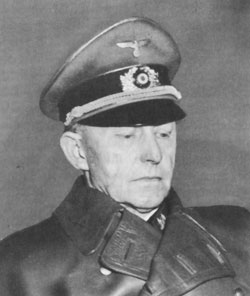
Alfred Josef Ferdinand Baumgärtler was born in Würzburg, Bavaria, Germany. His parents, army officer Alfred Jodl and Therese Baumgärtler, were not married until 1899, hence Jodl did not assume the name Alfred Jodl until that year. he was educated at the Cadet School in Munich, Germany, graduating in 1910, then joined the army as an artillery officer. In Sep 1913, he married Irma Gräfin von Bullion; they had no children. During WW1, he commanded an artillery battery on the Western Front between 1914 and 1916 where he wounded twice (once severely to his thigh), on the Eastern Front briefly in 1917, and then back on the Western Front as a staff officer at the end of the war. After WW1, he considered leaving the military and becoming a doctor, but he ultimately chose to remain in the German Army.
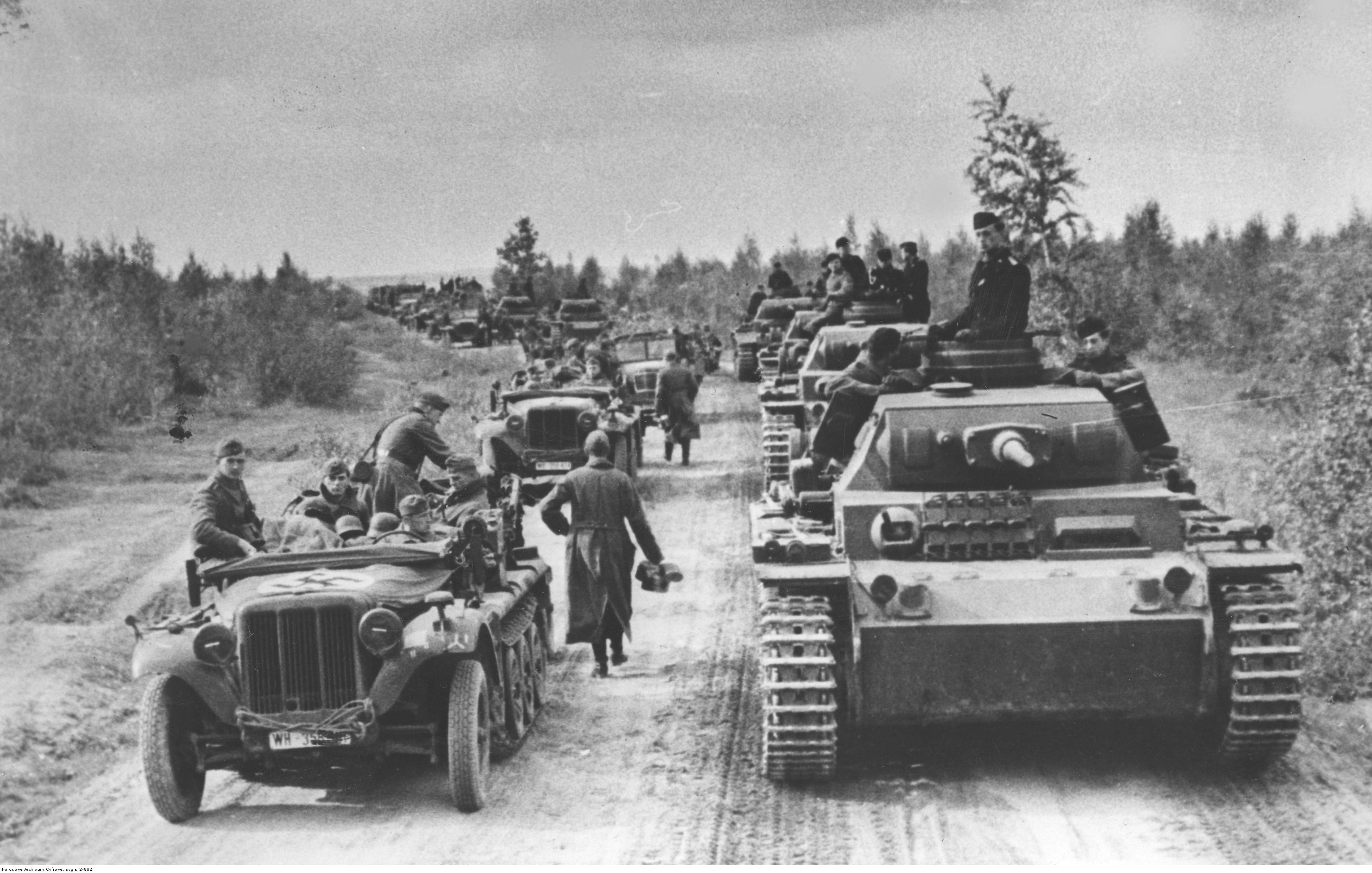
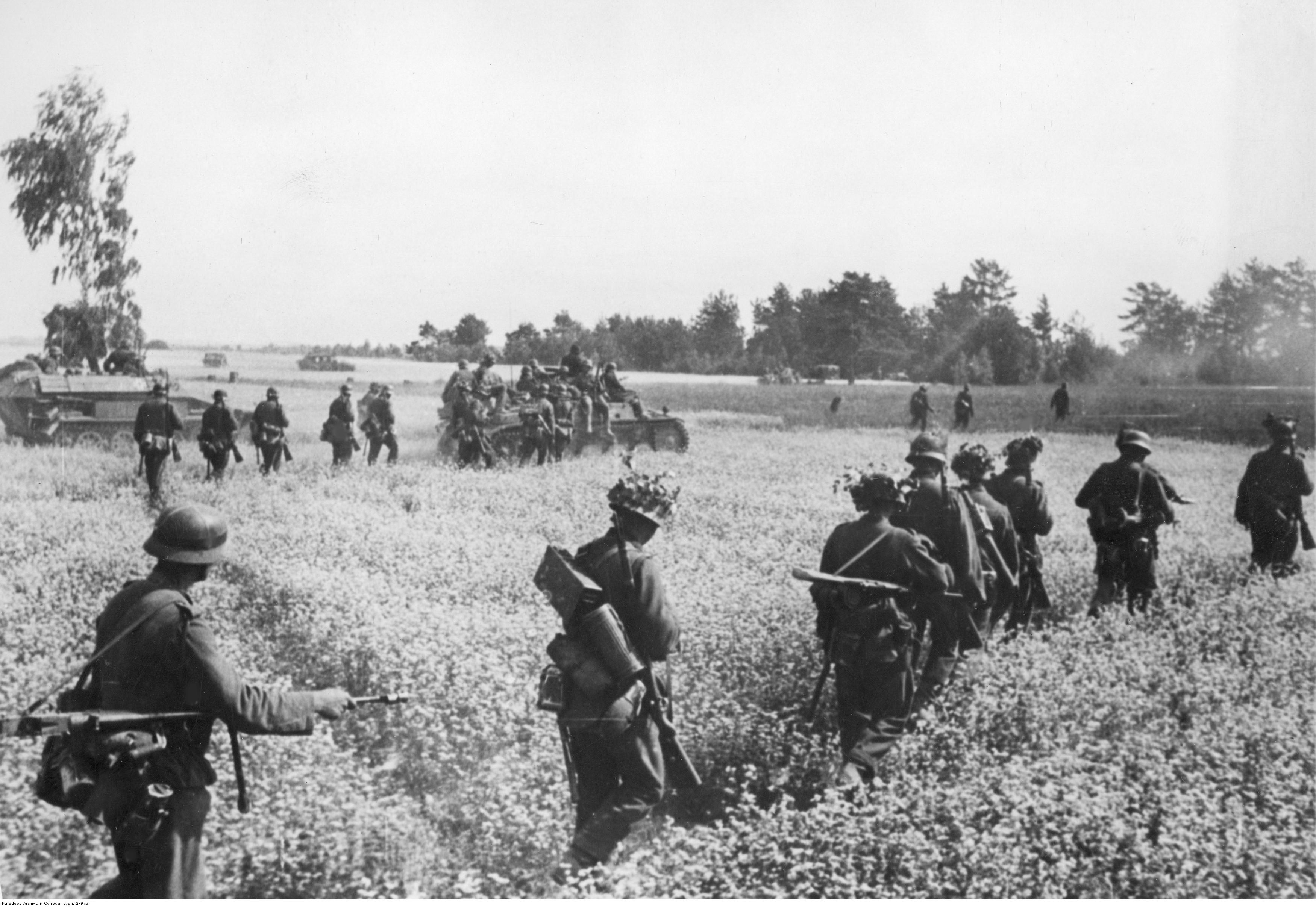
In 1923, Jodl met Adolf Hitler. Through the 1920s, they worked together to gain influence for the Nazi Party. By 1935, at the rank of major general, he was named the Chief of the National Defense Section in the High Command of the Army (Abteilung Landesverteidigung im Oberkommando des Heeres, OKH). On 11 Mar 1938, he signed the order given by Hitler to invade Austria, then later that year commanded troops in Czechoslovakia during the annexation of that country. Between Oct 1938 and Aug 1939, he was a senior artillery officer with the 44th Division in Vienna, Austria. In Sep 1939, he led troops during the invasion of Poland. Between Oct 1939 and the end of the war, he was the Chief of Operations with the Supreme Command of the Armed Forces (Oberkommando der Wehrmacht, OKW), making him a key deputy to Wilhelm Keitel. In this role, he was among Hitler's top military advisors, personally involved in the planning of the invasions of Norway, Denmark, the Netherlands, and Greece. He was promoted to the rank of colonel general in Jan 1944. On 20 Jul 1944, during the July Plot on Hitler's life, Jodl was present in the meeting room with Hitler where a bomb planted by Claus von Stauffenberg.